
13 April 2026 — News, Projects
METASKILLS4TCLF celebrates 2 new Regional Skills Partnerships in Portugal and Sweden

The Northern region in Portugal and the Borås region in Sweden have officially launched their respective Regional Skills Partnerships (RSP) in the textile, clothing, leather and footwear (TCLF) sectors. These partnerships aim to boost lifelong learning among workers, enhance the attractiveness of these sectors to younger generations, and upskill and reskill adults.
Under the Erasmus+ Blueprint METASKILLS4TCLF project, partners from 11 countries in the EU are bringing together private and public relevant entities and encouraging them to commit to concrete actions for upskilling and reskilling of workers in their region.
Through this initiative, additional TCLF Pact for Skills are expected to be launched soon in regions such as the Valencian Community and the Małopolska region.
Northern Portugal
The launch of the RSP in the TCLF sectors in the Northern region in Portugal represents a significant milestone in strengthening one of the region’s most historically established industries. Despite their deep economic roots, these sectors face structural challenges, including low productivity, limited wage growth and difficulties in attracting younger and highly qualified talent. With workforce education levels lagging behind the broader manufacturing sector and technological modernisation progressing slowly, the need for targeted intervention has become increasingly urgent, particularly as the green and digital transitions continue to reshape industrial demands.
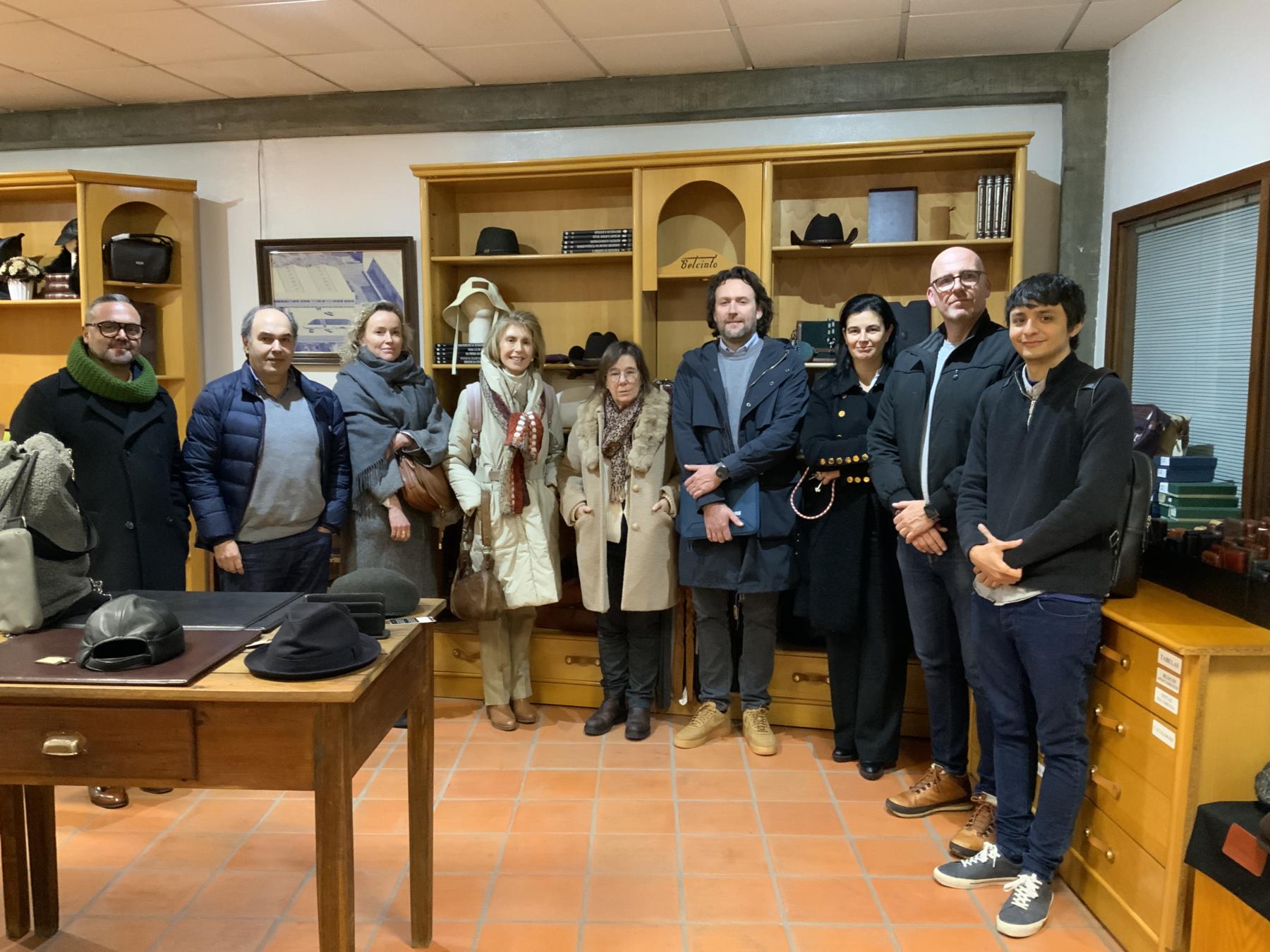
Led by Centro Tecnológico das Indústrias Têxtil e do Vestuário de Portugal (CITEVE) and Centro Tecnológico do Calçado de Portugal (CTCP), the partnership aims to position Northern Portugal as a leading hub for skills development and talent in the TCLF sectors. By focusing on lifelong learning, inclusive training and closer cooperation between education and industry stakeholders, the RSP aims to modernise the sector and make it more attractive and accessible. With ambitions to support over 42,000 individuals by 2030, the initiative is set to drive innovation, promote sustainability and ensure the sector remains competitive, inclusive and aligned with Europe’s evolving economic priorities.
Borås region
The creation of a Textile and Clothing RSP in the Borås region marks an important step in supporting Sweden’s textile and fashion sectors’ competitiveness as they adapt to rapid industrial transformation. Driven by the green and digital transitions, companies in the region are increasingly shifting towards circular production models, enhanced traceability and greater automation. However, this transformation is taking place alongside persistent skills shortages, particularly in areas such as textile recycling, fibre technology and digital design. Combined with an ageing workforce and declining interest among younger generations in textile-related careers, these challenges highlight the urgent need for stronger collaboration between education, industry and public authorities.
The initiative, led by the city of Borås, will support the development of targeted training programmes, including short courses and micro-credentials in circular textiles and digital product development. A dedicated Regional Skills Hub will further promote lifelong learning, work-based training and support for small and medium-sized enterprises. Through these coordinated efforts, the partnership seeks to close critical skills gaps, enhance the sectors’ attractiveness and accelerate its transition towards a more sustainable, competitive and future-ready ecosystem.
Learn more about both skills partnerships on the official website of the EU Pacts for Skills.